
Systems That Handle Wastewater Properly
Septic Services in Lindley for homes dealing with slow drains, sewage odors, standing water over the drain field, or complete system backups
Rural properties rely on septic systems to process household wastewater, and these systems require periodic maintenance and occasional intervention to handle blockages, root intrusion, and component failures. Southern Tier Tech provides jetting to clear obstructions, root clearing for invasive tree growth, and full system replacements when tanks or drain fields fail beyond repair. Homeowners typically need septic work when toilets and drains empty slowly throughout the house, when sewage odors appear near the tank or drain field, when the ground above the system stays soggy even during dry weather, or when backups begin occurring inside the home.
Septic issues develop from solid buildup that exceeds tank capacity, roots penetrating distribution lines, collapsed pipes, and drain field saturation that prevents proper wastewater absorption. Jetting uses high-pressure water to break up blockages and flush lines clean, while root clearing removes vegetation intrusion that restricts flow and causes recurring backups.
Schedule inspections and servicing before minor clogs become full system failures to avoid extensive excavation and replacement costs.
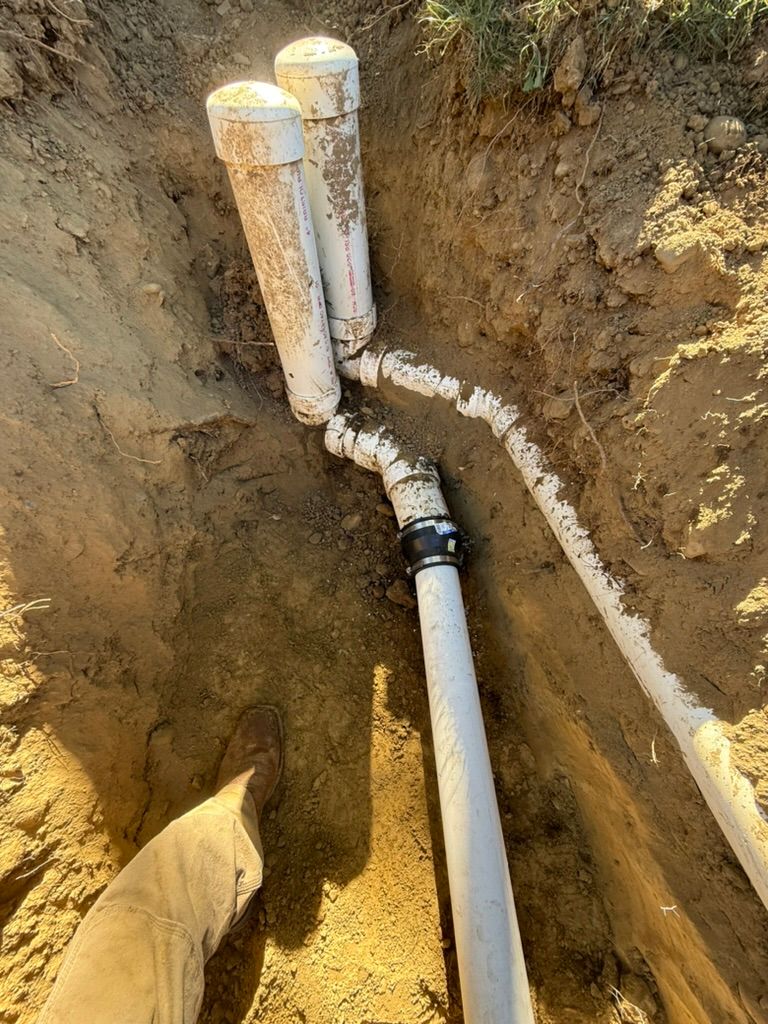
How Septic Maintenance and Repair Work
Service begins with locating access points and inspecting tank levels, baffle condition, and outlet line flow. Jetting equipment sends pressurized water through distribution lines to scour away grease buildup, break apart solid accumulations, and clear tree roots that have worked into joints and cracks. For systems with significant root intrusion, mechanical cutting tools remove larger root masses before jetting flushes remaining debris.
After clearing work, drains throughout the home empty at normal speed without gurgling or backing up, odors dissipate as the system processes wastewater correctly, and standing water over the drain field disappears as proper absorption resumes. When tanks or drain fields have deteriorated beyond repair, replacement involves excavating failed components, installing new tanks sized for household occupancy, and constructing drain fields in locations with adequate soil drainage characteristics.
Septic service addresses blockages and component failures but does not include drain field expansion, soil testing for new systems, or modifications to household plumbing that affects wastewater volume. Regular pumping every three to five years removes accumulated solids and prevents them from entering distribution lines where they cause clogs.
What Property Owners Ask About Septic Systems
Septic systems function out of sight until problems develop, so understanding maintenance needs and warning signs helps prevent emergencies.
How do I know if my septic system needs jetting or just pumping?
Pumping removes solids from the tank but doesn't address clogs in outlet lines or the drain field; if drains remain slow after pumping or if backups recur quickly, jetting is needed to clear distribution lines and restore proper flow through the system.
What causes tree roots to grow into septic lines?
Roots seek moisture and nutrients, and even small cracks or loose joints in septic pipes release vapor that attracts root growth; once roots enter, they expand and create blockages that worsen over time until the line is mechanically cleared.
When does a septic system need complete replacement instead of repair?
Replacement becomes necessary when the tank has cracked or corroded beyond patching, when the drain field soil has become saturated and compacted to the point where it no longer absorbs wastewater, or when local code changes require upgrading to modern system standards.
What septic issues are common in Lindley due to soil and water table conditions?
Clay-heavy soils and high seasonal water tables can slow drain field absorption, causing effluent to pool on the surface during wet months; systems in these conditions may need larger drain fields or alternative designs like mound systems to function properly year-round.
How can I extend the time between septic repairs?
Avoid flushing non-biodegradable items, limit garbage disposal use to reduce solid load, spread laundry over several days instead of doing it all at once, and have the tank pumped on schedule to prevent solids from reaching distribution lines.
Southern Tier Tech handles septic jetting, root clearing, and system replacements for properties across the region. Request an inspection if you're noticing slow drains or other signs that your system isn't processing wastewater effectively.